

The Science of Small Friction: Why Tiny Delays Change Behavior
Screen Lime Team · 1 min read
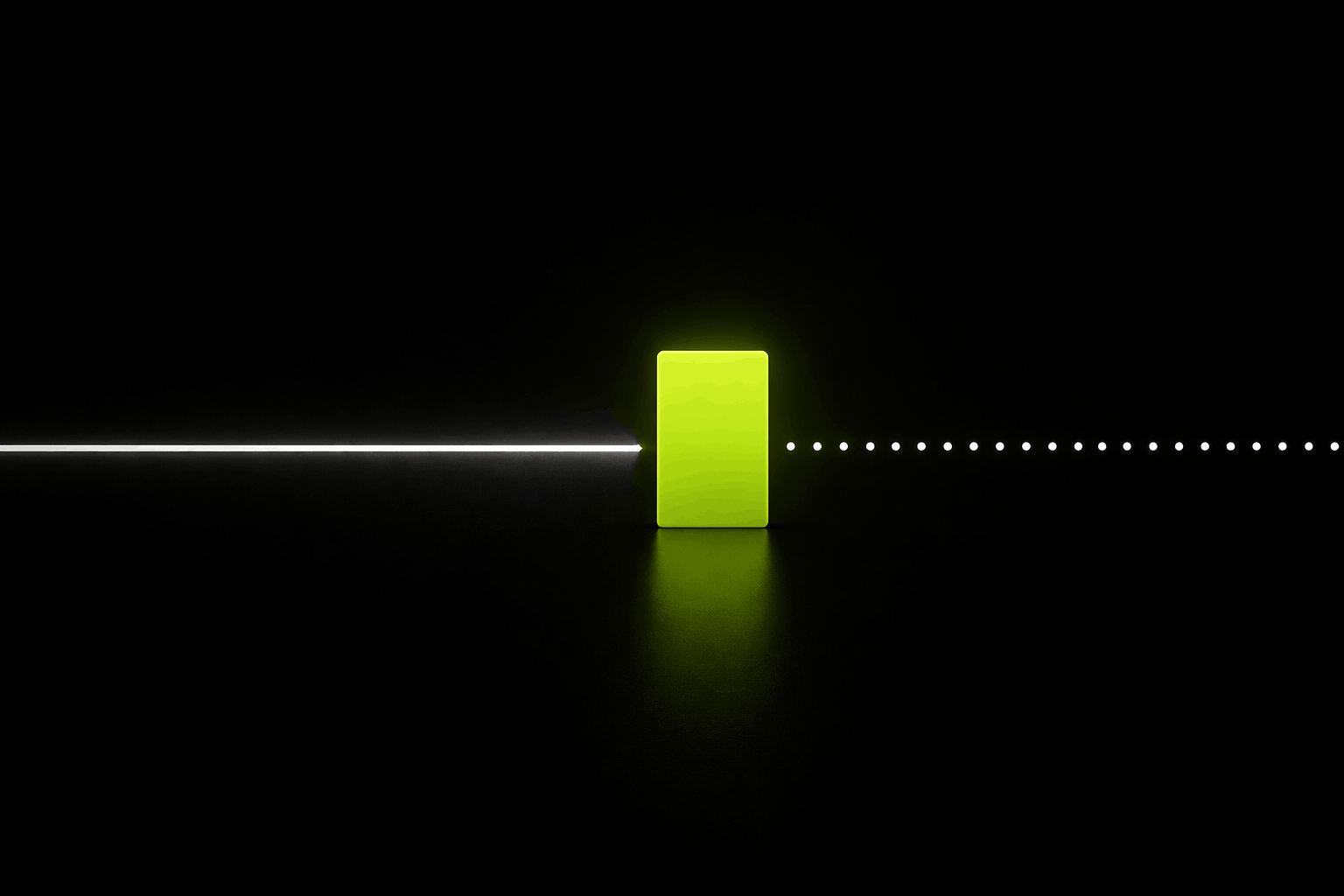
What is friction in behavior change?
Friction is a small barrier or delay that makes an action less automatic. In digital habits, even tiny friction can reduce how often you open apps.
We usually think making something harder is bad UX.
But for habits, a little friction is powerful.
Examples of Friction
- A short delay before an app opens
- An extra tap
- A confirmation prompt
These don’t stop behavior — they reshape it.
Autopilot vs Awareness
Without friction:
- Tap → Open → Scroll
With friction:
- Tap → Pause → Decide → Open (or not)
That one step creates awareness.
And awareness breaks habits.
The Sweet Spot
- Too much friction → frustrating
- Too little friction → ineffective
The goal is simple:
Make the action just hard enough to notice.